

 (416) 656-1170
Dental Crowns Near You
There’s a good chance you’ve heard the word “crown” at a dental appointment before — maybe your dentist mentioned it after looking at a cracked tooth, or perhaps you’ve been putting off a recommendation for one because you weren’t sure it was really necessary. If that sounds familiar, you’re not alone. Dental crowns come up in a lot of conversations, but patients don’t always walk away feeling like they fully understood what was being recommended or why.
This guide is here to change that. We’re going to cover everything — what a crown actually is, who genuinely needs one, the difference between ceramic and PFM crowns, whether same-day crowns are worth considering, how long they last, and what you can realistically expect to pay. By the time you finish reading, you’ll know exactly what questions to ask and whether a dental crowns near you might be the right next step for your smile.

What Is a Dental Crown?
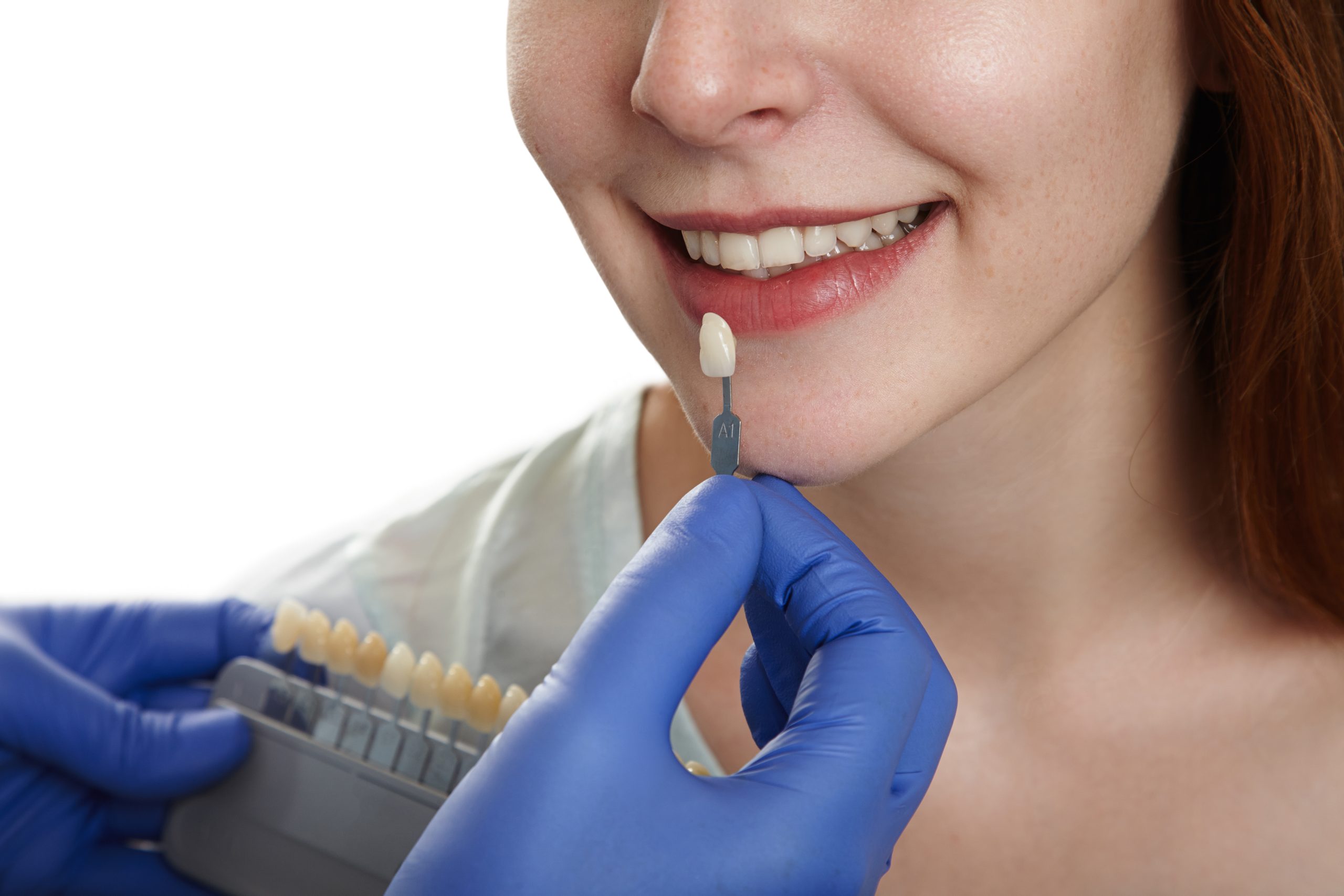
A dental crown is essentially a custom-made cap that fits over an existing tooth. Think of it like a protective helmet that covers the entire visible surface of a tooth — from the gumline up. It’s shaped to match your natural tooth, coloured to blend in with your smile, and cemented permanently so it functions just like your real tooth.
Crowns are used in situations where a tooth is damaged, weakened, or structurally compromised to the point where a simple filling won’t cut it. A filling patches a small area. A crown protects the whole tooth.
Once a crown is placed, you eat with it, brush it, and mostly forget it’s there. It restores both the strength and the appearance of a tooth that’s been through some damage — whether that’s a deep crack, a large cavity, or a root canal.
Visit us with ease — just search our clinic on Google Maps for quick directions.
Why Would You Need a Dental Crown?
This is the part that surprises a lot of people — there are actually many different reasons a dentist might recommend a crown. It’s not just for broken teeth.
The most common situations where dental crowns in York are recommended include:
After a root canal. Once the inner pulp of a tooth is removed during a root canal, the tooth becomes brittle and more prone to fracturing. A crown is almost always placed afterward to protect it from cracking under the pressure of chewing.
A large or failing filling. When a cavity is too large for a standard filling — or when an old filling is starting to break down — a crown becomes the better long-term solution. Trying to patch a very large area with more filling material often leads to further damage.
A cracked or fractured tooth. Some cracks are visible; others are hairline fractures you can’t see but can definitely feel — usually as a sharp pain when biting down. A crown holds the tooth together and prevents the crack from spreading further.
Severe wear. People who grind their teeth heavily over many years can wear their teeth down to the point where a crown is needed to restore proper height, shape, and function.
A broken cusp. If a large chunk of a tooth breaks off — especially a back molar — a crown is often the most reliable way to rebuild it properly.
Part of a dental bridge. Crowns are used as the anchor structures in a dental bridge, sitting on the natural teeth on either side of a gap to hold the bridge in place.
Cosmetic reasons. In some cases, severely stained, misshapen, or worn teeth are crowned for aesthetic purposes — though veneers are often explored first for purely cosmetic concerns.
Are You a Candidate? A Quick Self-Check
Not everyone who thinks they might need a crown actually does — and not everyone who’s been putting one off should wait any longer. Here’s a simple way to think through your situation:
You might be a good candidate for a dental crown if:
- ✅ You’ve recently had a root canal on a back tooth
- ✅ You have a tooth with a crack that causes pain when biting
- ✅ You have a filling that takes up more than half the tooth
- ✅ A large piece of your tooth has broken off
- ✅ You have a tooth that’s significantly discoloured or misshapen and affects your confidence
- ✅ Your dentist has flagged a tooth that’s at high risk of fracturing
A crown is probably NOT the right solution if:
- ❌ The damage is minor and can be addressed with a filling or bonding
- ❌ The tooth is too far gone to save (extraction + bridge or implant may be more appropriate)
- ❌ The concern is purely cosmetic and the tooth structure is still healthy (veneers may be better)
If you’re unsure which category you fall into, a quick exam at a dental clinic near you will give you a clear answer. A good dentist won’t push you toward treatment you don’t need — they’ll explain exactly what’s happening with the tooth and why they’re recommending what they are.
Ceramic vs. PFM Crowns: Which One Is Right for You?
When it comes to crown materials, the two most common options you’ll encounter are all-ceramic (or all-porcelain) crowns and porcelain-fused-to-metal (PFM) crowns. Both are good options, but they have real differences that are worth understanding.
All-Ceramic Crowns
All-ceramic crowns are made entirely from porcelain or a ceramic material like zirconia. There’s no metal underneath — which means no dark line at the gumline, and no greyish tint showing through. The light passes through them the same way it does natural tooth enamel, giving them an extremely lifelike appearance.
Modern ceramic crowns — especially those made from zirconia — are also impressively strong. Earlier generations of all-ceramic crowns had a reputation for being more fragile, but that’s largely a thing of the past with today’s materials.
Ceramic crowns are generally best for:
- Front teeth or any tooth that’s visible when you smile
- Patients with metal sensitivities or allergies
- Anyone who prioritizes a natural-looking result
Porcelain-Fused-to-Metal (PFM) Crowns
PFM crowns have a metal base with porcelain layered on top. They’ve been the industry standard for decades and have a very long track record of durability. The metal base gives them excellent strength — which is particularly valuable for back teeth that take the full force of chewing.
The tradeoff is aesthetics. Over time, especially as gums naturally recede a little with age, a thin dark line can sometimes appear at the base of a PFM crown. They also don’t transmit light the same way all-ceramic crowns do, so they can look slightly less natural up close.
PFM crowns are generally best for:
- Back teeth (molars and premolars) where strength matters most
- Patients with a very heavy bite or who grind their teeth
- Cases where cost is a significant factor (PFM tends to be slightly less expensive)
Quick Comparison
| Feature | All-Ceramic | PFM |
|---|---|---|
| Appearance | Excellent — very natural | Good — slight metal visibility possible |
| Strength | Very good (especially zirconia) | Excellent |
| Metal-Free | Yes | No |
| Best For | Front teeth, cosmetic cases | Back teeth, heavy bite |
| Cost | Moderate to higher | Moderate |
| Longevity | 10–20+ years | 10–20 years |
The right choice depends on which tooth is being crowned, your bite, your aesthetic priorities, and your budget. At Keele Crosstown Dental, we walk through these options with every patient so you can make the decision that actually makes sense for your situation.
Same-Day Crowns: Are They Worth It?
You may have seen clinics advertising same-day crowns — the idea that you can walk in with a damaged tooth and walk out a few hours later with a permanent crown already fitted. It sounds almost too good to be true. So what’s the reality?
Same-day crowns are made possible by a technology called CEREC (Chairside Economical Restoration of Esthetic Ceramics). Instead of taking an impression and sending it to a dental lab — which takes 2–3 weeks — the dentist uses a digital scanner to create a 3D model of your tooth and a milling machine in the clinic to fabricate the crown on the spot.
The genuine advantages of same-day crowns:
- Only one appointment needed — no temporary crown, no second visit
- No impression material (the digital scan is more comfortable)
- Faster solution for people with busy schedules or dental anxiety around multiple visits
The honest limitations:
- Not every crown case is suitable for same-day fabrication — complex cases or crowns that require very precise colour matching may still benefit from a lab-made crown
- The quality of same-day crowns depends heavily on the technology and the skill of the dentist using it
- Not all dental clinics have CEREC equipment
If same-day crowns are available and appropriate for your case, they’re a genuinely excellent option. If your case is more complex, a lab-fabricated crown may actually give you a better long-term result. Ask your dentist which approach they recommend and why — a straightforward answer to that question tells you a lot.
How Long Do Dental Crowns Last?
Longevity is one of the most common concerns patients bring up when discussing dental crowns in York, and it’s a fair one — a crown is an investment, and you want to know it’s going to hold up.
The honest answer: most crowns last 10 to 20 years, and many last even longer with good care. The range is wide because longevity depends on several factors:
Material. Zirconia and PFM crowns tend to be the most durable under heavy use. All-ceramic crowns have improved dramatically but can still chip if subjected to significant force.
Location. Front teeth crowns generally last longer because they experience less biting force. Back molar crowns take the most stress and may wear faster, especially in people who grind.
Oral hygiene. The crown itself can’t decay — but the natural tooth structure underneath it can. Poor hygiene allows bacteria to work their way under the crown margin, causing decay in the abutment tooth. That’s actually the most common reason crowns fail before their time.
Habits. Grinding your teeth, chewing ice, biting nails, or using your teeth to open packaging all put extra stress on crowns (and natural teeth). A night guard can make a significant difference for grinders.
Regular checkups. Dentists check your crowns at every exam. Catching a small issue early — a slight loosening, a microscopic crack in the porcelain — prevents a small problem from becoming a big one.
Take care of your crown the way you take care of your natural teeth, and there’s no reason it shouldn’t serve you well for well over a decade.
What Does a Dental Crown Cost?
Cost is the question almost everyone wants answered before they commit to anything, and we believe in giving patients real numbers rather than vague ranges that don’t actually help you plan.
In York, the typical cost of a dental crown falls somewhere in this range:
- All-ceramic / zirconia crown: $1,200 – $2,000+ CAD
- PFM crown: $1,000 – $1,800 CAD
- Same-day CEREC crown: $1,200 – $2,000 CAD
Several factors can move the price within or beyond these ranges:
Which tooth is being crowned. Back teeth can be slightly more complex to work on and may involve more time.
The extent of prep work needed. If there’s significant decay to address or a build-up is needed before the crown can be placed, that adds to the overall cost.
Whether a post and core is required. After some root canals, a small post is placed inside the tooth to give the crown more to anchor onto — this is an additional procedure.
Lab fees. For lab-fabricated crowns, the quality of the dental lab affects both the result and the cost. High-quality labs produce better-fitting, better-looking crowns, but they charge more.
Insurance. Many dental insurance plans cover a portion of crown costs — often 50% up to your annual maximum — particularly when the crown is for restorative rather than purely cosmetic reasons. Always check your plan details and bring them to your consultation.
If cost is a concern, talk to us openly about it. We’d rather help you find a workable path than have you leave without getting care your tooth genuinely needs.
Why Patients Choose Keele Crosstown Dental for Dental Crowns
When you’re searching for dental crowns near you, what you really want is a team that takes time with your case, uses quality materials, explains what they’re doing and why, and gives you a result that feels — and looks — completely natural.
That’s what we aim for with every crown we place. We discuss material options with you, we match the shade carefully, we check your bite meticulously, and we follow up to make sure you’re comfortable.
We also believe in honest recommendations. If your tooth doesn’t need a crown yet, we’ll tell you. If it does, we’ll explain clearly why waiting could make things worse. You’ll never leave our clinic feeling like you were talked into something.
If you’ve been told you need a crown, or if you have a tooth that’s been bothering you and you’re not sure what’s going on, come in for an assessment. We’d be glad to take a look and give you a straightforward answer.
Ready to Talk About Your Options?
If you’ve been putting off a crown recommendation, or you have a tooth you’ve been quietly worried about, the best thing you can do is get it looked at. Problems with teeth rarely get better on their own — but they do tend to get more complicated (and more expensive) the longer they’re left.
At Keele Crosstown Dental, we make it easy to get a clear, honest picture of what’s going on with your teeth. Whether you’re specifically looking for dental crowns near you or just want a second opinion on a recommendation you’ve already received, we’re here to help.
Reach out to book a consultation — and let’s make sure that tooth gets the protection it needs.
FAQs
Conveniently Located Dental Clinic Serving York & Surrounding Areas
Our dental clinic is conveniently located on Eglinton Avenue West in York, Toronto, offering easy access via public transit and free parking for all our patients. This central location makes it easy for those seeking a dental clinic nearby to receive high-quality care without the hassle of long travel.
We proudly serve patients from York and surrounding neighbourhoods, providing accessible, dependable, and personalized dental care close to home.
